I have a new article out in Review of Public Personnel Administration - with Mogens Jin Pedersen from the University of Copenhagen.
The paper tackles a topic on everyone’s minds these days: remote work. Specifically, how does working remotely affect performance in public service jobs that happen at the frontline—think teachers and caseworkers?
The pandemic sped up the move to remote work like nothing else, and employer surveys suggest this shift isn’t going away anytime soon. But most research on remote work focuses on office or desk jobs, and we still don’t know much about what it means for frontline public workers who interact directly with citizens. But frontline work is different from typical office work—it often involves complex, interpersonal interactions that don’t easily translate to remote settings. Teachers and caseworkers who aim to “change” or develop their clients’ situations may find remote work especially tricky compared to those doing more “people-processing” tasks like classification or redistribution.
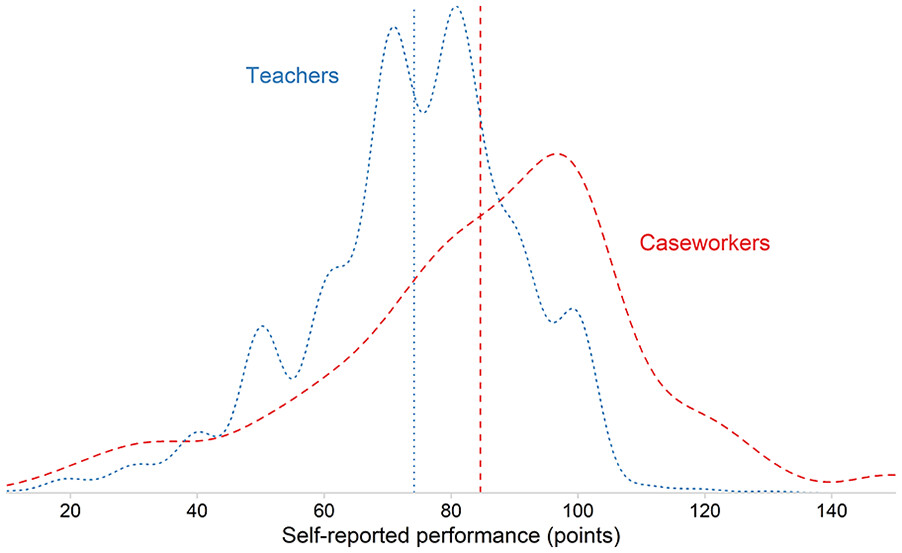
That’s what we wanted to explore. Using survey data from over 1,500 frontline workers in Denmark—teachers in public high schools and caseworkers in unemployment agencies—we asked how remote work relates to their own perceptions of their performance. The survey was done after these workers had spent a couple of months working remotely during the pandemic.
Our findings highlight some interesting challenges. First of all, while remote work has clear benefits in many industries, our study suggests that in frontline public services, it can be linked to a dip in perceived performance—especially for those in “people-changing” roles like teaching. Moreover, we found some useful predictors of how frontline workers see their own performance, which employers could use to get better results from remote work.
That said, this research is quite exploratory, and we need more studies to fully understand the implications. But hopefully, our findings offer some food for thought for public managers considering remote work policies in service delivery.
For the full scoop, go read the article!
And here’s a figure from the paper: